Pulsetto Fit Review: Can Vagus Nerve Stimulation Really Improve Sleep, Stress and Even Pain?

Stress, anxiety, burnout and overwhelm have become such familiar parts of modern life that many of us are searching for natural ways to calm our minds and reset our nervous systems.
One of the most intriguing new areas of research focuses on the vagus nerve — a long communication pathway that links the brain to our vital organs and helps regulate the body’s stress response.
In this article, I’ll explain what the vagus nerve does, how vagus nerve stimulation (VNS) works, what the research shows, and share my husband David’s and my experience of using one of the latest at-home VNS devices, the Pulsetto.
I’ll also explore natural ways to support vagus nerve function without a device.
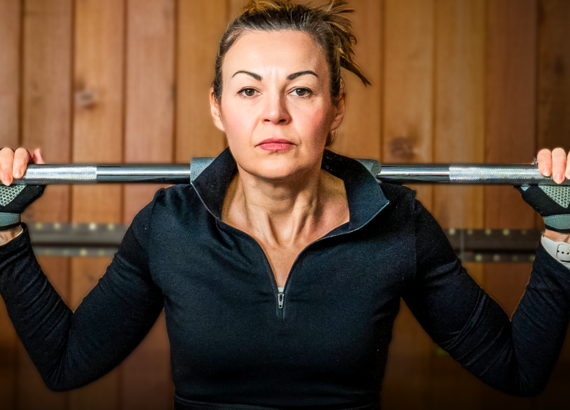
I’m Clare Johnston, a journalist in my 50s exploring evidence-based ways to age well, look and feel good for longer. Pulsetto provided their neck-worn VNS device for the purpose of independent review. This article is not sponsored, and our feedback — both positive and negative — is entirely our own. I include affiliate links in my content, including in this article, which means I earn a small commission on products purchased through my content. This helps fund my work.
What Is the Vagus Nerve and Why Does It Matter?
The vagus nerve is the body’s longest cranial nerve, running from the brainstem through the neck and chest into the abdomen. Think of it as a two-way information highway.
About 80% of its signals travel upwards, carrying information from your organs to your brain — while the rest flow downward, influencing heart rate, digestion, and breathing.
The vagus nerve is the main driver of the parasympathetic nervous system — the “rest and digest” counterpart to our sympathetic nervous system, which activates the “fight or flight” response.
When the vagus nerve is active, it slows the heart rate and helps your body recover from stress. When it’s underactive, you’re more likely to feel anxious, tense, or inflamed.
How Vagus Nerve Stimulation (VNS) Works
Vagus nerve stimulation uses gentle electrical impulses to activate the nerve. Researchers believe this can influence brain chemistry, reduce inflammation, and help restore balance in the nervous system.
There are two main types of VNS:
- Implantable VNS devices — surgically placed in the neck, these were first approved by the FDA in 1997 to treat drug-resistant epilepsy and later for treatment-resistant depression. Studies show that around 45–65% of epilepsy patients experience at least a 50% reduction in seizures, and some also report improved mood and anxiety levels. However, benefits often take months to appear and surgery carries risks such as hoarseness and throat discomfort.
- Non-invasive VNS devices — worn externally around the neck or on the ear. These are a major step forward in accessibility and comfort, but the evidence is still developing.
What the Research Says About Non-Invasive Devices
There are a growing number of studies exploring external VNS devices.
- Headaches: The prescribed device GammaCore is FDA-cleared for migraines and cluster headaches, showing real success in reducing pain episodes.
- Mood, anxiety and sleep: Smaller clinical trials suggest that stimulation can improve autonomic balance — helping users move from a stressed to a calm state more easily. However, findings so far are inconsistent and more research is needed.
- Inflammation and pain: Reviews including one published in Frontiers (2024) highlight the potential of VNS to treat inflammatory and autoimmune disorders such as rheumatoid arthritis or inflammatory bowel disease, though results remain preliminary.
Reported side effects of non-invasive VNS are typically mild: tingling, dizziness, or slight skin irritation.
Our Honest Experience of Using the Pulsetto
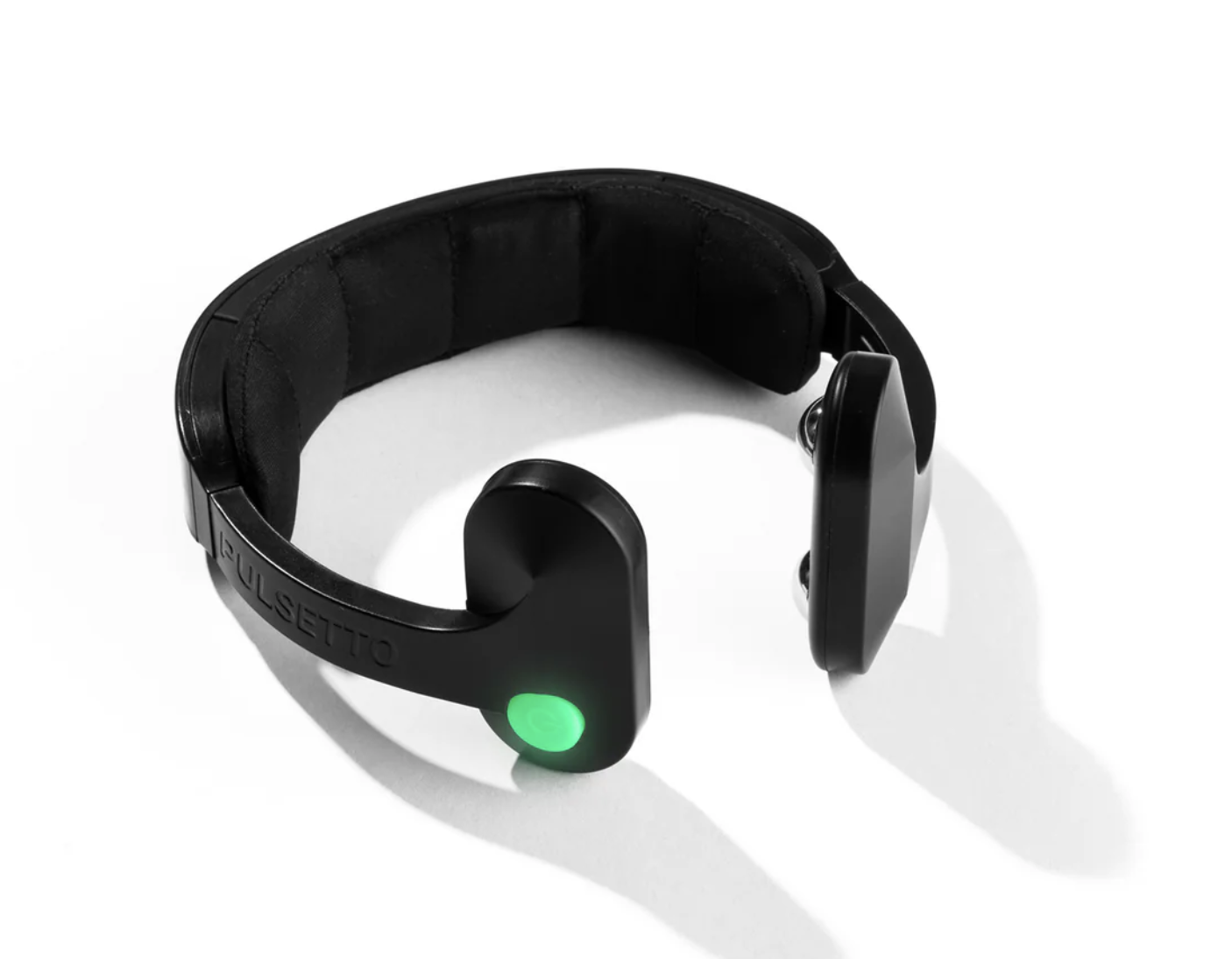
The Pulsetto connects to an app offering five programs: stress, anxiety, sleep, burnout and pain. Each varies slightly in pulse pattern and duration.
I primarily used the four-minute stress program each morning, while my husband David preferred the six-minute burnout program.
To use it, you apply conductive gel to the neck area where the two electrodes sit on either side of your throat, turn on the device, select your program via the app, and choose an intensity level from 1 to 10.
I never went above level 5 — the sensation is similar to a microcurrent or TENS device and can cause neck muscle twitching at higher levels. At level 3, it was comfortable but noticeable.
Both David and I felt noticeably calmer after the first few sessions. It’s possible that part of this effect was placebo — simply taking time to slow down — but the sense of reduced mental overwhelm felt real.
Within days, my usual rush of anxious, overlapping thoughts quietened, and I felt more able to focus. David experienced similar benefits, though his stress levels remain higher overall.
Interestingly, when we tried the sleep program, it had the opposite effect — leaving us both wide awake for hours. Clearly, the stimulation itself can be energising rather than sedating for some users.
I also tested the pain program during a hormone-triggered headache. Within three minutes the intensity of the pain eased, and after 20 minutes I felt significant relief — enough that a single aspirin cleared the remaining headache.
In short, we both felt the Pulsetto had a calming effect that helped reduce anxiety and overwhelm. It didn’t transform our moods or solve stress entirely, but it did provide a noticeable level of relaxation.
Prices for Pulsetto devices start from around £478 (often discounted and currently £251 for the Fit), so it’s not a cheap device — but for those struggling with chronic stress or overwhelm, experimenting with vagus nerve stimulation is worth considering.
Natural Ways to Support the Vagus Nerve
Even without a device, there are simple ways to activate your vagus nerve naturally:
- Slow breathing: Around six deep, slow breaths per minute — in through the nose, out through the mouth — can increase Heart Rate Variability (HRV), a key marker of a balanced nervous system.
- Humming deeply: The vibration you feel when humming resonates through the neck and may stimulate the vagus nerve, promoting calm and focus.
- Light aerobic activity: Walking, swimming, and cycling all help maintain vagal tone and support resilience to stress.
The Bottom Line
Vagus nerve stimulation is a fascinating, emerging area of mind-body research. While implantable devices have strong clinical backing, non-invasive options like the Pulsetto show early promise for stress relief and mental clarity — but more high-quality studies are needed.
Our personal experience was largely positive: calmer minds, less overwhelm, and one surprising headache rescue. But it’s not a cure-all, and the effect may vary between individuals.